From Unfit at 35 to the Best Shape of My Life at 45 — What Worked for Me
I spent most of my thirties sitting at a desk. Not dramatically unfit, I was not being airlifted anywhere, but the kind of quietly, consistently unfit that office work produces if you just let it happen. Which I did, for quite a long time. I did not think there was a chance of getting fit in your 40s.
This is what changed that. No programme to sell you. No transformation story with a dramatic before photo. Just what actually happened, in case any of it is useful to you too.
Food, and the coeliac diagnosis that complicated it
I was diagnosed with coeliac disease in 2012. You would think this would force healthier eating. It does not, as it turns out.
The gluten free food industry has spent considerable effort producing gluten free versions of all the things that were not good for you in the first place. Gluten free biscuits. Gluten free pasta. Gluten free bread that costs four times as much and tastes like compressed cardboard. What nobody mentions clearly enough is that these products are frequently loaded with sugar, added to compensate for what gluten does structurally in food.
I spent a solid few years eating what I believed was a health-conscious diet and wondering why absolutely nothing was improving. The answer, eventually, was that gluten free processed food is still processed food. Chicken is naturally gluten free. So is a potato. Neither of them needs a label.
The eighty-twenty rule
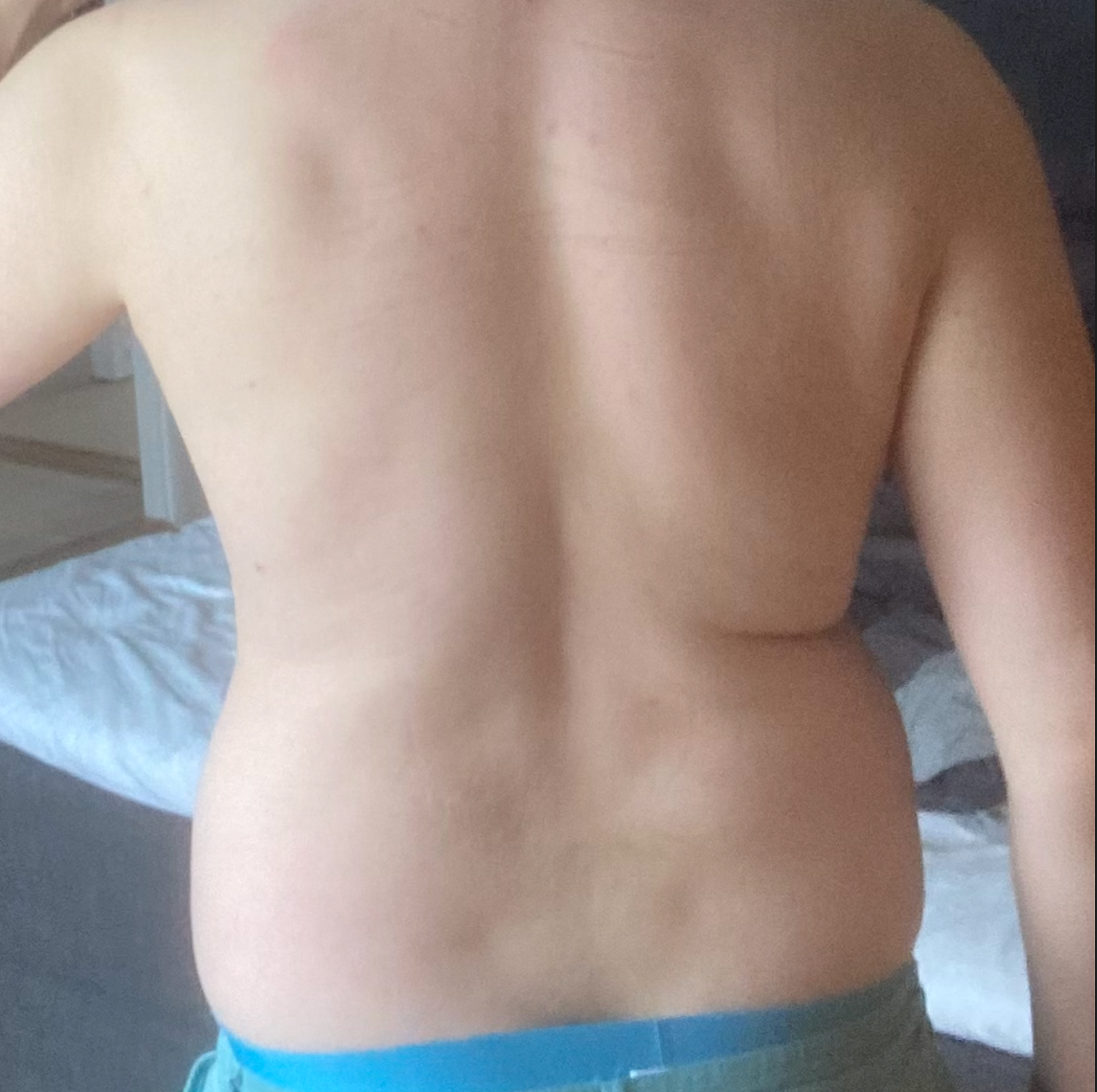
Sugar was not eliminated. That would be miserable and I have no interest in being miserable about food. What changed was understanding where it was accumulating, specifically in the form of love handles that have been present long enough to feel like old acquaintances. They are still there. But they are getting smaller, which counts as progress worth mentioning.
Calorie counting lasted about three weeks before the administrative overhead of it made me want to lie down. The eighty-twenty rule replaced it and has stayed ever since. Stick to good food choices eighty percent of the time. The other twenty percent, a cheat day, a good dinner, whatever, does not undo anything if the eighty is solid.
It is not precise enough to satisfy anyone with a nutrition qualification. It is, however, something a normal person with a job can actually maintain for years. Which is the whole point.
The science behind why that approach works (progressive overload, protein targets, the role of sleep) is covered in more detail in how to actually build muscle.
The training problem, and why solo gym didn’t work
The first attempt at systematic training looked exactly like you would expect. Gym membership. Good intentions. Inconsistent attendance. A direct debit leaving my account every month like a small tax on optimism.
The problem was not the gym. It was the decision overhead. Solo training requires you to decide what to do, when to go, how hard to push, and whether to bother at all, every single time. Four opportunities to talk yourself out of it before you have even put your shoes on.
Remove the decisions and the problem largely solves itself. This took longer to figure out than it should have.
Spinning: the thing I didn’t like and then could not stop
I did not like spinning at first. That is not a disclaimer, it is simply true. The first sessions were uncomfortable, and the instructor’s enthusiasm felt disproportionate to how I felt when out of breath and questioning my life choices.
I kept going because it was booked. Monday evening at 6pm, in the calendar, non-negotiable in the same way a dentist appointment is non-negotiable. Showing up was not a decision anymore, it had already been made.
Something changed around six weeks in. The fitness that had been quietly accumulating started to express itself. Sessions that had been survival became something closer to actual training. Now I can go flat out at high intensity for fifty minutes without thinking particularly hard about it. Six weeks earlier that would have been fiction.
Monday spinning. In the calendar. Done.
Wednesday strength, Saturday core
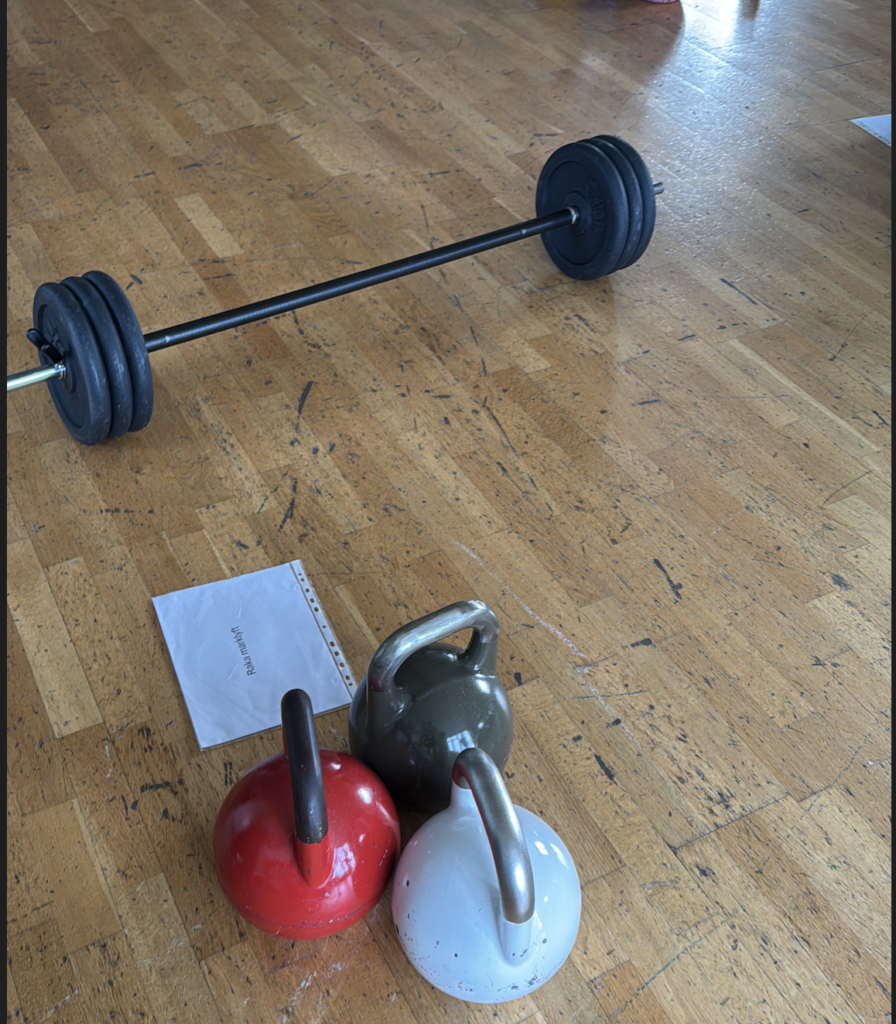
Wednesday is strength training. Saturday is core. Not because these are magic days, but because the rhythm of Monday, Wednesday and Saturday creates a structure the body adapts to and the mind stops arguing with.
Group training works for the same reason spinning does. Someone tells you what to do. You do it as hard as you can for each set. There is no wandering between machines having an internal debate about what comes next. The decisions are made. You just show up and work.
The difference between training alone and training in a group, for me, is the difference between doing something and actually doing it. In a group I give everything for every set because the environment makes it easy to. Alone, the temptation to manage effort rather than spend it is constant and usually wins.
Core training is the session most people treat as optional. It isn’t. The evidence from Harvard Medical School on core strength and injury prevention in later life is fairly unambiguous, and I have written about it in more detail in the stretching and core strength article if that is of interest. The boring Saturday session is the one that keeps everything else working at sixty.
Yoga, which I did not see coming
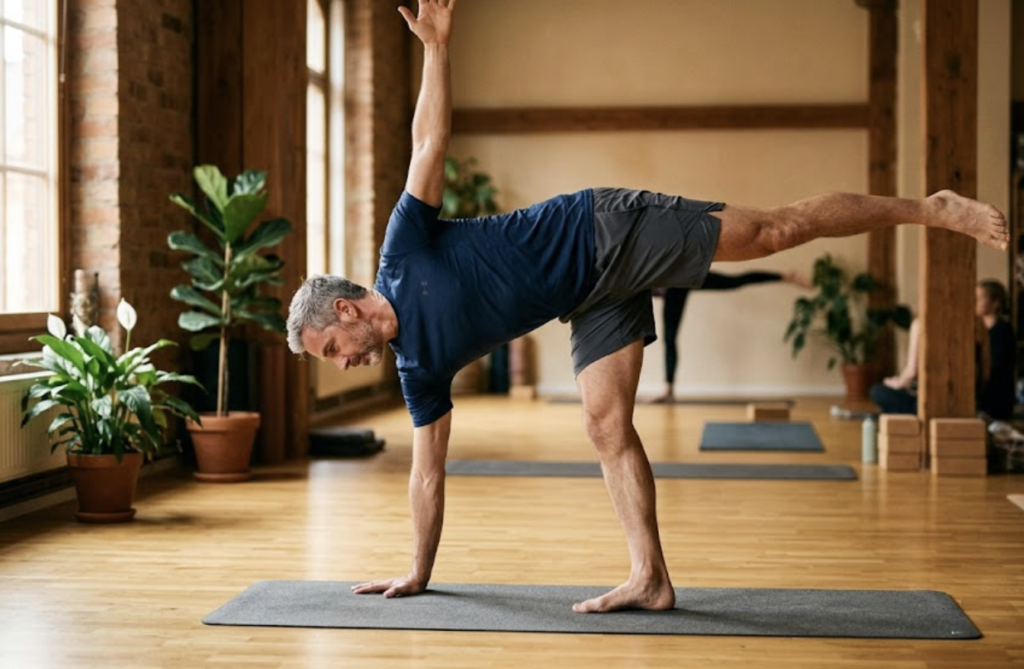
In autumn 2025 I started yoga at a studio about a thirty minute drive from my house. Yin yoga, hot yoga and rehab yoga, three different disciplines that do different things and, it turned out, complement each other well.
I expected to feel out of place. I did, initially. What I did not expect was how different a challenge it actually was, the breathing, the awareness of each movement, the balance work. It finds weaknesses that conventional training either does not reach or quietly works around.
The practical effect has been noticeable everywhere else. More flexible in stretching. Stronger in core work. Better body awareness during strength training. Yoga did not replace anything. It filled in the gaps the rest of the training was leaving. Quietly annoying how well it works.
What the week looks like now
| Day | Session |
|---|---|
| Monday | Spinning |
| Wednesday | Strength training |
| Saturday | Core |
Yoga gets added in whenever the studio schedule allows. That is it. Four sessions. In the calendar. Over time it becomes a part of your week rather than a decision you make about your week.
Making it stick
None of this worked because of a perfect plan. It worked because the decisions got removed from the days that used to be spent arguing with myself. Food sorted itself out once gluten free stopped meaning healthy by default. Training stuck once it was booked rather than optional. Flexibility work got added before my body started demanding it, rather than after.
The best shape of your life at 45 is not a particularly dramatic story. It is mostly just not stopping.
If you want to try the macro calculator to help measure the daily split in food, it took a bit of learning before I could judge portions by eye. A simple hack: protein the size of your fist, carbs the size of the palm of your hand, and fat the size of your thumbnail. Another hack that is simple but effective: eat slow.
Namaste.